
Donor Egg and Embryo
For many couples and individuals, donor egg or donor embryo IVF becomes a deeply meaningful path to parenthood. Whether due to low ovarian reserve, repeated IVF failures, genetic concerns, or age‑related fertility decline—donor programs offer high success rates, renewed hope, and the possibility of a healthy pregnancy.
At Khushhi IVF our Donor Egg & Donor Embryo Program follows the strictest medical, ethical, and confidentiality standards, supported by advanced embryology and internationally aligned protocols.
Uses eggs from a healthy, screened donor, fertilized with partner’s or donor sperm.
Suitable for women who:
- Have very low AMH or poor ovarian reserve
- Experience premature ovarian failure
- Carry inheritable genetic conditions
- Have undergone cancer treatments
- Have repeated IVF failures due to egg quality decline
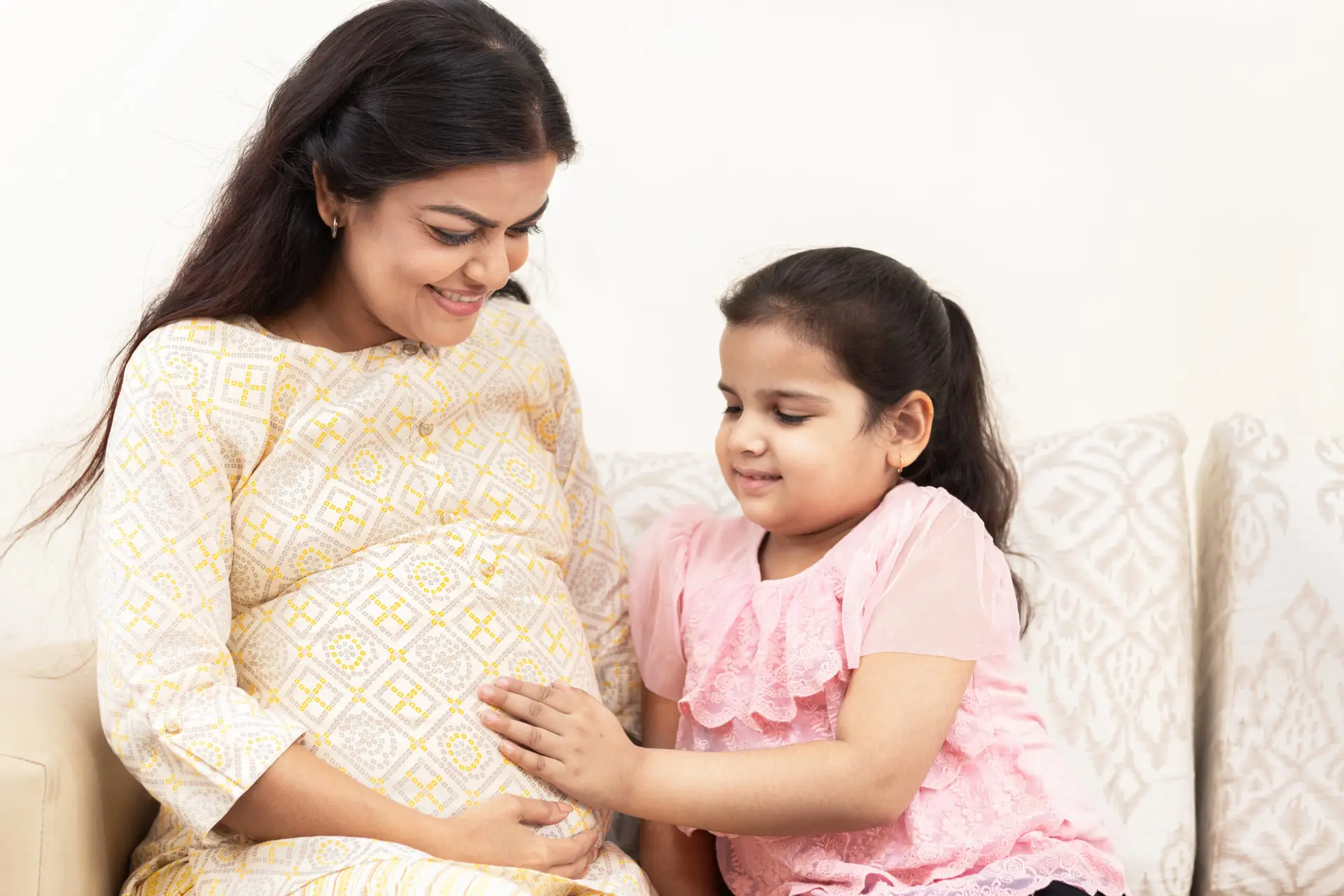
Uses embryos created from both donor egg + donor sperm, available through fully screened donor couples.
Suitable for couples who:
- Cannot produce viable eggs or sperm
- Wish to avoid transmitting genetic disorders
- Have had multiple failed retrievals
- Prefer an emotionally and medically simpler route to pregnancy
You may benefit from a donor program if:
- Your AMH is low or eggs are poor quality
- You are over 38–42 and have reduced ovarian reserve
- You have failed multiple IVF cycles
- You have a genetic or chromosomal abnormality
- Sperm & egg both have severe issues (embryo donation ideal)
- You want to avoid passing on inherited conditions (PGT/PGD supported)
Benefits of Embryo Donation
Why Choose Khushhi IVF Centre for Egg & Embryo Donation?
1. Expert Care: Our team, led by Dr. Dipesh Sorathiya, one of the most experienced IVF doctors in Ahmedabad, ensures personalized treatment plans for every patient.
2. Advanced Technology: We specialize in cutting-edge procedures like Vitrification (Egg, Embryo, and Sperm Freezing) and Preimplantation Genetic Testing (PGT) for the best outcomes.
3. High Success Rates: As a top-rated fertility specialist in Ahmedabad, we focus on achieving IVF success with the first cycle whenever possible.
4. Affordable IVF Treatment: We are committed to offering low-cost IVF treatment in Ahmedabad without compromising on quality, making fertility care accessible for all.
5. Comprehensive Services: Beyond donation programs, we excel in Female and Male Infertility Treatments, Andrology, Endoscopy Treatments, Fertility Enhancing Surgeries, ICSI Treatment, and Infertility Counselling.
At Khushhi IVF Centre, recognized as one of the top 5 IVF hospitals in Ahmedabad, we combine empathy, expertise, and advanced medical solutions to turn your dreams of parenthood into reality. With a reputation as the best IVF and infertility treatment provider in Ahmedabad, we ensure a supportive and transparent journey from consultation to successful pregnancy.
Looking for the best IVF treatment near you? Choose Khushhi IVF Centre, where advanced care meets affordability. Book a consultation with Dr. Dipesh Sorathiya, the leading reputed IVF doctor in Gujarat, and take the first step toward parenthood today.
Experience hope, trust, and success at Ahmedabad’s top IVF hospital – because your family’s happiness begins here.
Egg & Embryo Donation Procedure in Ahmedabad
Step 1: Initial Consultation & Review
We assess your medical history, ovarian reserve, uterine readiness and sperm parameters.
Step 2: Donor Selection & Screening
We match donors based on physical characteristics and medical compatibility—similar to advanced donor centers.
Step 3: Donor Ovarian Stimulation & Egg Retrieval
Eggs are collected from the donor after monitoring.
Step 4: Fertilization (IVF/ICSI)
Eggs are fertilized using partner or donor sperm in our advanced embryology lab.
Step 5: Embryo Development & Quality Selection
Embryos are grown to Day‑3 or Day‑5 (blastocyst) stage.
Step 6: Endometrium Preparation (Recipient)
Medications are given to prepare the uterus for implantation.
Step 7: Embryo Transfer
A painless procedure performed by our specialist.
Step 8: Pregnancy Test & Supportive Care
Beta‑hCG test is conducted 12–14 days later, followed by pregnancy monitoring.
Book an appointment today!
Frequently Asked Questions
What is embryo and egg freezing?
Embryo and egg freezing is a process of preserving eggs or embryos for future use in fertility treatments. Khushhi IVF, the best IVF hospital in Ahmedabad, offers advanced freezing techniques to help preserve your fertility.
Who is a good candidate for egg or embryo freezing at Khushhi IVF?
Women who want to delay pregnancy, those undergoing medical treatments that may affect fertility, or couples planning future IVF cycles are ideal candidates. The best doctor for IVF and infertility treatment in Ahmedabad at Khushhi IVF will guide you through the process.