
For some couples, pregnancy can sometimes prove to be a struggle. Despite having already tried a variety of fertility treatments, a problem with fertility in men due to poor sperm quantity or motility could be making fertilisation more difficult, which is when the technique of intracytoplasmic sperm injection comes into play.
ICSI is a modern fertility treatment. This involves using only one sperm and injecting it into a female egg to help fertilisation take place. ICSI is often used in an IVF treatment cycle and specifically to aid male infertility.
What Is Intracytoplasmic Sperm Injection?
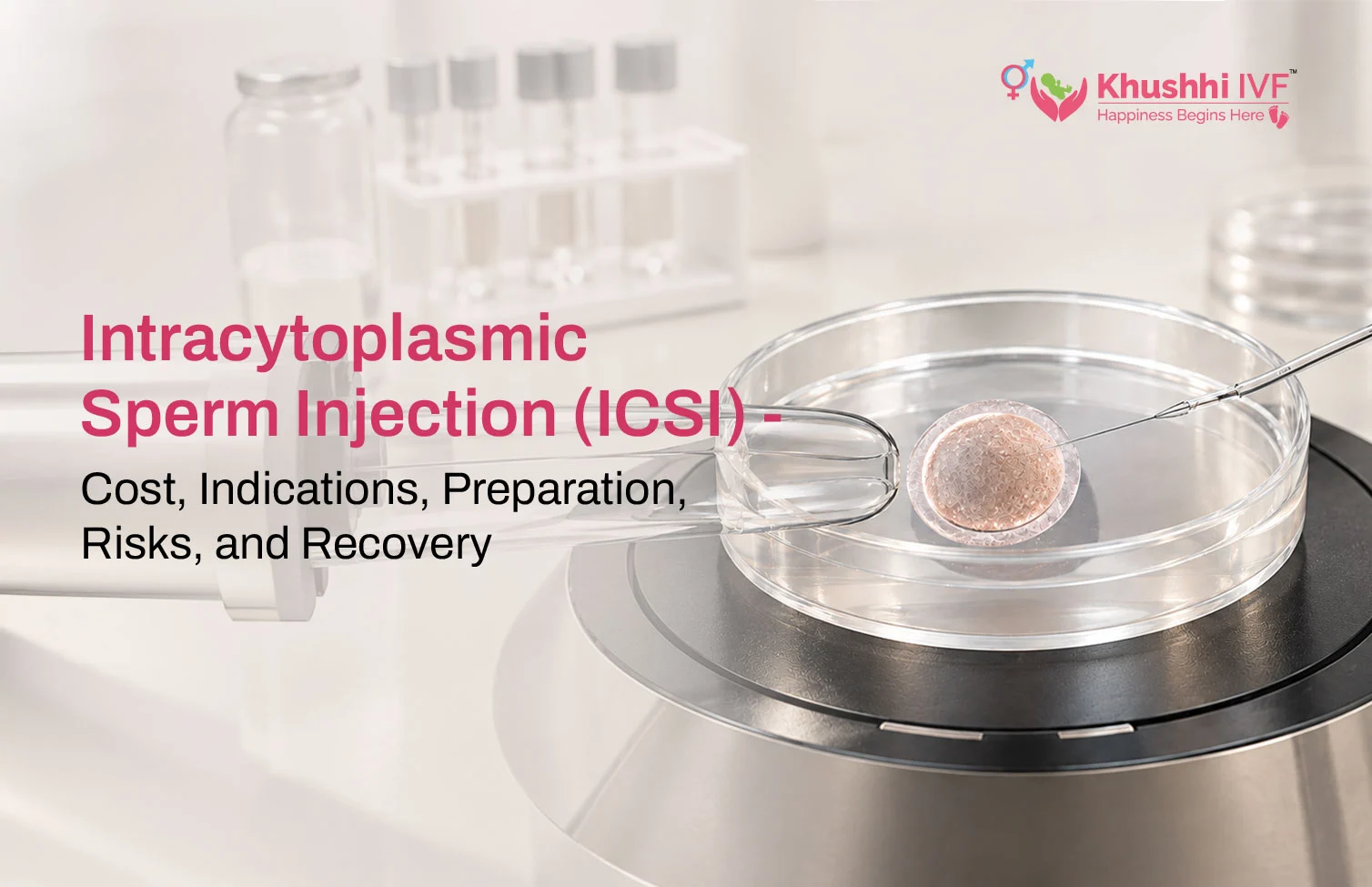
Intracytoplasmic sperm injection (ICSI, usually referred to as ICSI) is an embryological technique used in IVF. This involves placing each sperm and egg together to fertilise outside the body. In the embryology laboratory, embryologists select the best sperm and insert it into the egg using a microscopic needle (a highly detailed technique). If successful, after about five days, the embryo will be in the mother’s uterus for an IVF process. ICSI is not successful with becoming pregnant, but with certain fertility issues, it is a beneficial way to achieve fertilisation.
When Is ICSI Recommended?
ICSI is often considered when there is a significant male-factor fertility issue. However, it is not automatically required for every couple undergoing IVF.
A fertility specialist may consider ICSI in situations such as:
- Very low sperm count
- Poor sperm movement
- Abnormally shaped sperm
- Previous IVF cycle with unsuccessful fertilisation
- Sperm retrieved through procedures such as TESA or PESA
- Certain cases where sperm quality may make conventional IVF fertilisation difficult
- Use of previously frozen sperm or eggs in selected circumstances
The decision is generally based on the couple’s medical history, fertility tests and previous treatment outcomes.
How Should You Prepare for ICSI?
Preparation for ICSI is similar to preparation for an IVF cycle because the procedure is performed within the IVF process.
The female partner may need medicines to stimulate the ovaries and encourage the development of multiple eggs. Regular monitoring through ultrasound and sometimes blood tests helps the fertility team track the response.
For the male partner, the clinic may provide specific instructions regarding semen collection and abstinence before the sample is provided.
Before starting treatment, your fertility specialist may also discuss:
- Medical and fertility history
- Semen analysis
- Ovarian reserve and other fertility tests
- Previous IVF or fertility treatment
- Medications and existing health concerns
- The expected treatment timeline and costs
Following the clinic’s instructions carefully can make the treatment process smoother.
What Happens During ICSI?
The actual sperm injection takes place in the embryology laboratory.
After the eggs are collected during the IVF cycle, an embryologist examines the mature eggs and selects suitable sperm. A very fine needle is then used to inject one sperm directly into an egg.
The fertilised eggs are monitored in the laboratory over the following days. If embryos develop appropriately, the fertility specialist decides when embryo transfer should take place.
The process may sound complicated, but the patient generally does not feel the sperm injection itself because it happens in the laboratory rather than inside the body.
What Is the Cost of ICSI?
The intracytoplasmic sperm injection cost can vary considerably depending on the clinic, location, medicines, investigations and the overall IVF treatment plan.
The total expense may include consultations, fertility tests, ovarian stimulation medicines, egg retrieval, laboratory procedures, embryo culture and embryo transfer. Additional procedures may also affect the final cost.
For this reason, it is difficult to give one fixed price that applies to every patient.
At Khushhi IVF, the fertility team can assess your individual situation and explain the treatment plan and expected expenses before proceeding.
Are There Risks With ICSI?
Like any fertility treatment, ICSI has potential risks, although it is widely used in assisted reproductive medicine.
Some concerns are related to the IVF process itself rather than the sperm injection alone. These can include:
- Ovarian stimulation-related complications
- Discomfort after egg retrieval
- Failure of fertilisation
- Embryo development problems
- No viable embryo being available for transfer
- Multiple pregnancy if more than one embryo is transferred
Your doctor can explain the possible risks based on your specific circumstances.
Recovery After ICSI
There is generally no recovery period from the sperm injection itself because the procedure is performed in the laboratory.
Recovery is mainly related to the egg retrieval procedure for the female partner. Mild cramping, bloating or tiredness can occur afterwards. Most people can return to normal activities relatively soon, depending on how they feel and their doctor’s advice.
The waiting period after embryo transfer can be emotionally difficult for many couples. Your fertility team will explain when pregnancy testing should be done and what symptoms should be reported.
ICSI Treatment at Khushhi IVF
Khushhi IVF uses ICSI as one of the available forms of assistance. It provides evaluations and treatment for male and female infertility.
With male factor problems, the Khushhi IVF fertility team can examine sperm quality and consider whether ICSI or a form of alternative treatment is applicable. Selected patients with specific problems may even consider other options such as TESA, PESA, and TESE for retrieval of sperm in specific situations.
It’s important not to choose ICSI just because it’s a new or advanced technique. A fertility solution has to be tailored for a couple, based on test results and treatment history.
Intracytoplasmic sperm injection is a new method used to help with certain forms of failure to fertilise during IVF. It works by inserting one sperm into the egg, a procedure that is recommended to couples who suffer from a particular type of male infertility. It does not increase the chances of conceiving to 100% and is also not always suitable for everyone opting for IVF therapy.
Having a fertility assessment by a specialist is the best way to determine the suitability of treatment. It is recommended to discuss the treatment with Khushhi IVF Clinic with a fertility specialist. This may confirm to you the suitability of ICSI treatment, your estimated treatment cost and preparation.
FAQs
1. How does intracytoplasmic sperm injection work?
ICSI involves injecting a single sperm directly into a mature egg to help achieve fertilisation.
2. Why might a doctor recommend intracytoplasmic sperm injection ICSI?
Doctors may recommend ICSI when sperm-related infertility or previous IVF fertilisation difficulties affect conception chances.
3. How should I prepare for ICSI treatment?
Preparation typically involves fertility testing, medications, monitoring, sperm assessment, and following personalised instructions from your fertility specialist.
4. How long does it take to recover after ICSI?
Recovery varies depending on the IVF process, but most patients can resume normal activities relatively quickly.